
Emotional Release
Dr. Eyrich
Negative emotions and thoughts affect our health greatly. Emotions often put us in fight or flight and adversely affect the organs and glands. No matter how many drugs massages, chiropractic, acupuncture, herbs, supplements you use, it will not help until the emotions are released and healed. Dr. Eyrich utilizes many emotional release techniques such as, Net, emotional freedom, somatoemotional release, cognitive therapy, positive affirmations, guided visualizations, and mindfulness to release and heal these emotional- mental imbalances. With emotional balance and positive thoughts the body is restored to health.
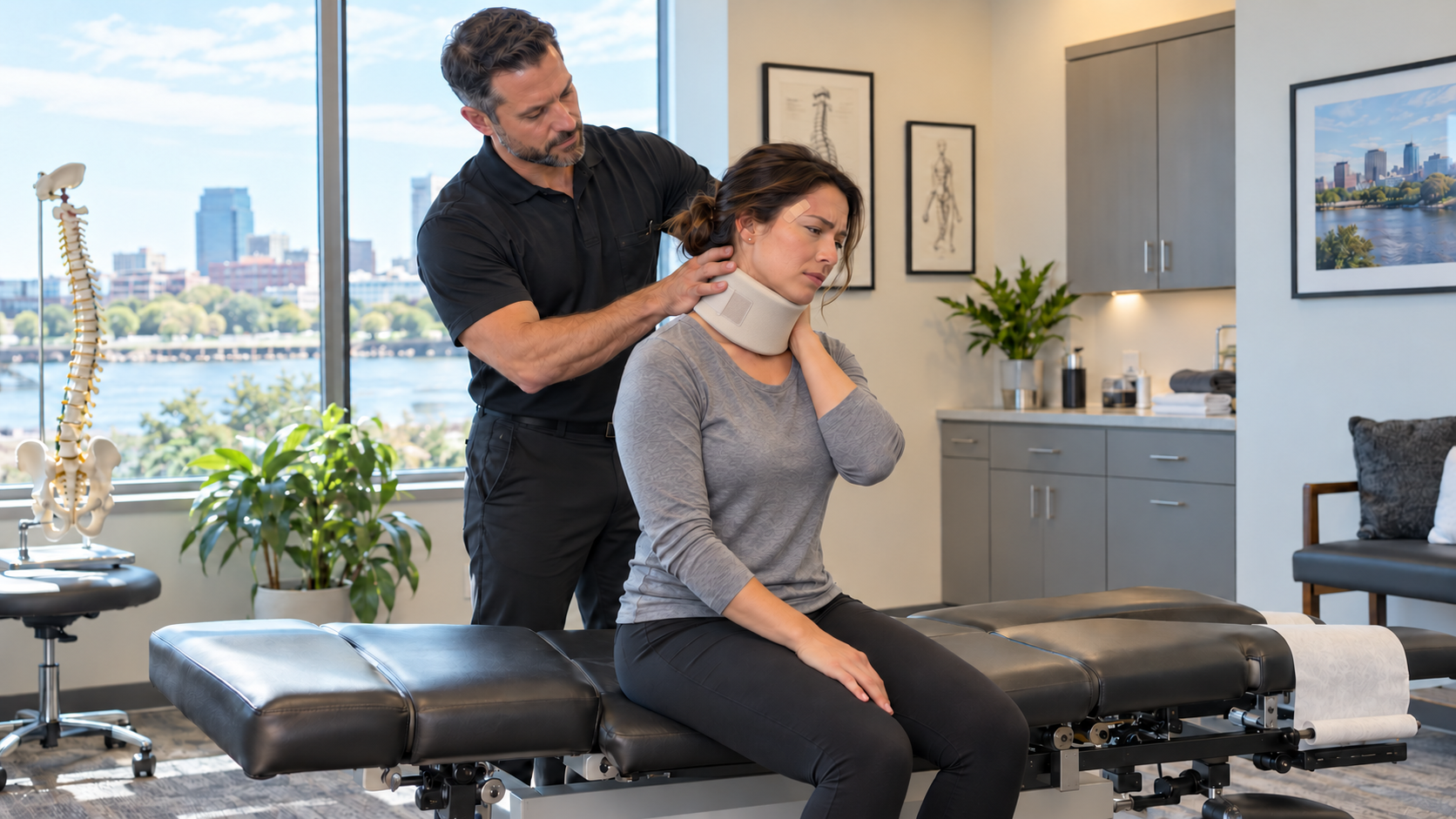
Read expert chiropractic tips on auto accident recovery, back and neck pain, assisted stretching, wellness, and injury care in Wilmington, DE.
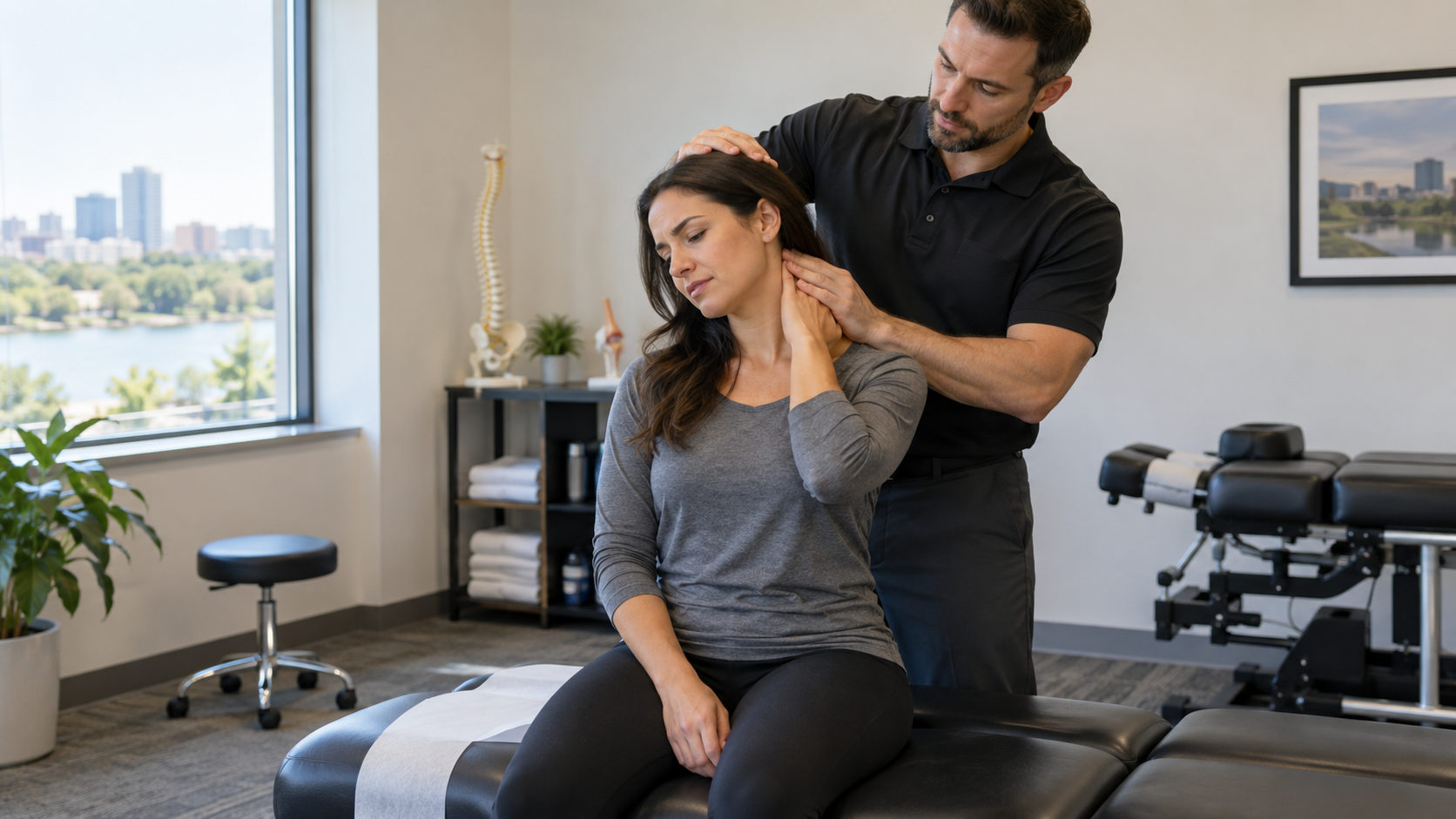
Read helpful chiropractic articles on auto accident recovery, back and neck pain, assisted stretching, wellness, and chiropractic care in Wilmington, DE.

Read Concord Chiropractic’s blog for expert insights on auto accident injuries, chiropractic care, wellness tips, and recovery guidance in Wilmington, DE.
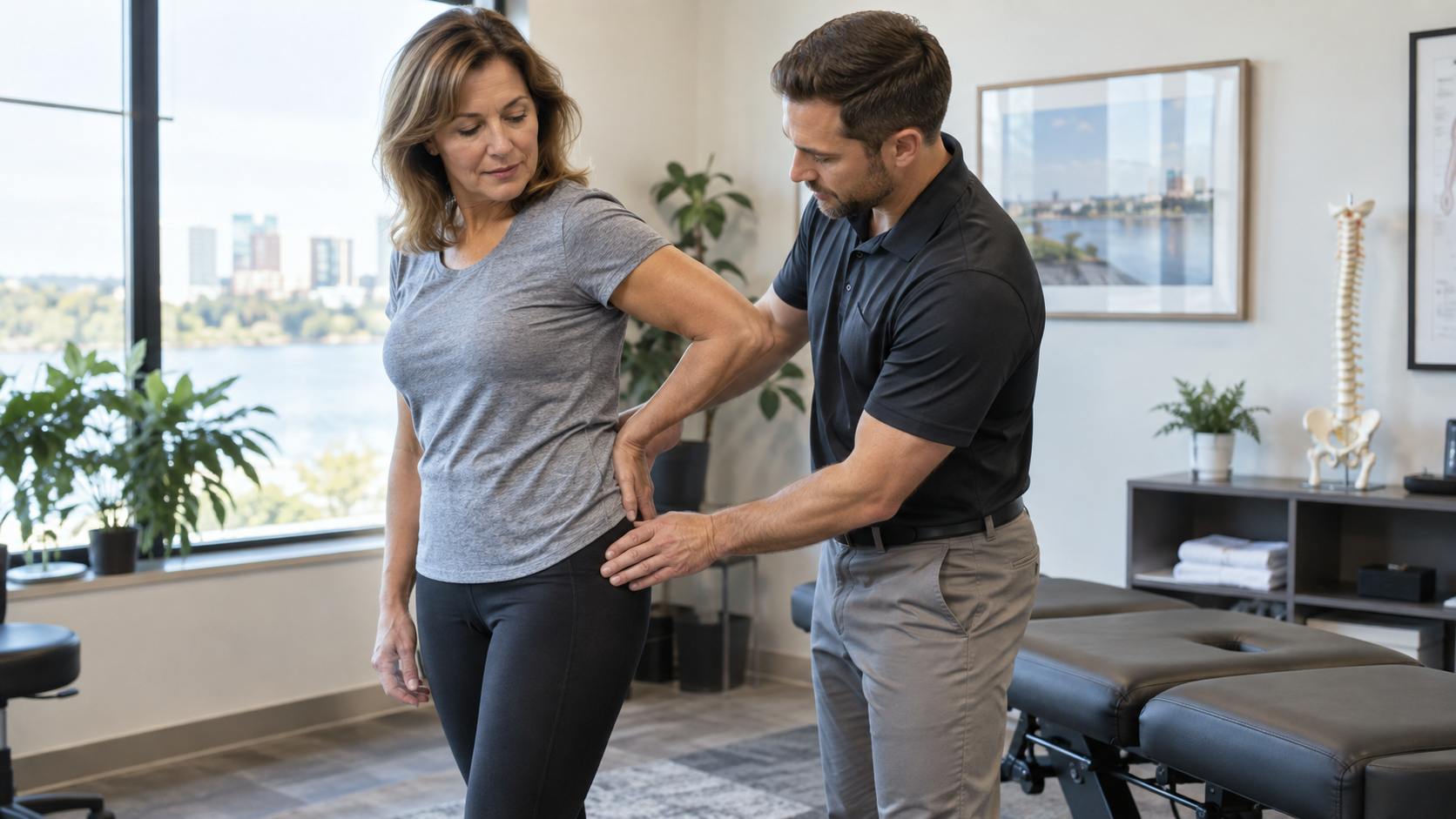
Learn how chiropractic care helps relieve sciatica pain in Wilmington, DE with targeted adjustments, assisted stretching, and personalized treatment.
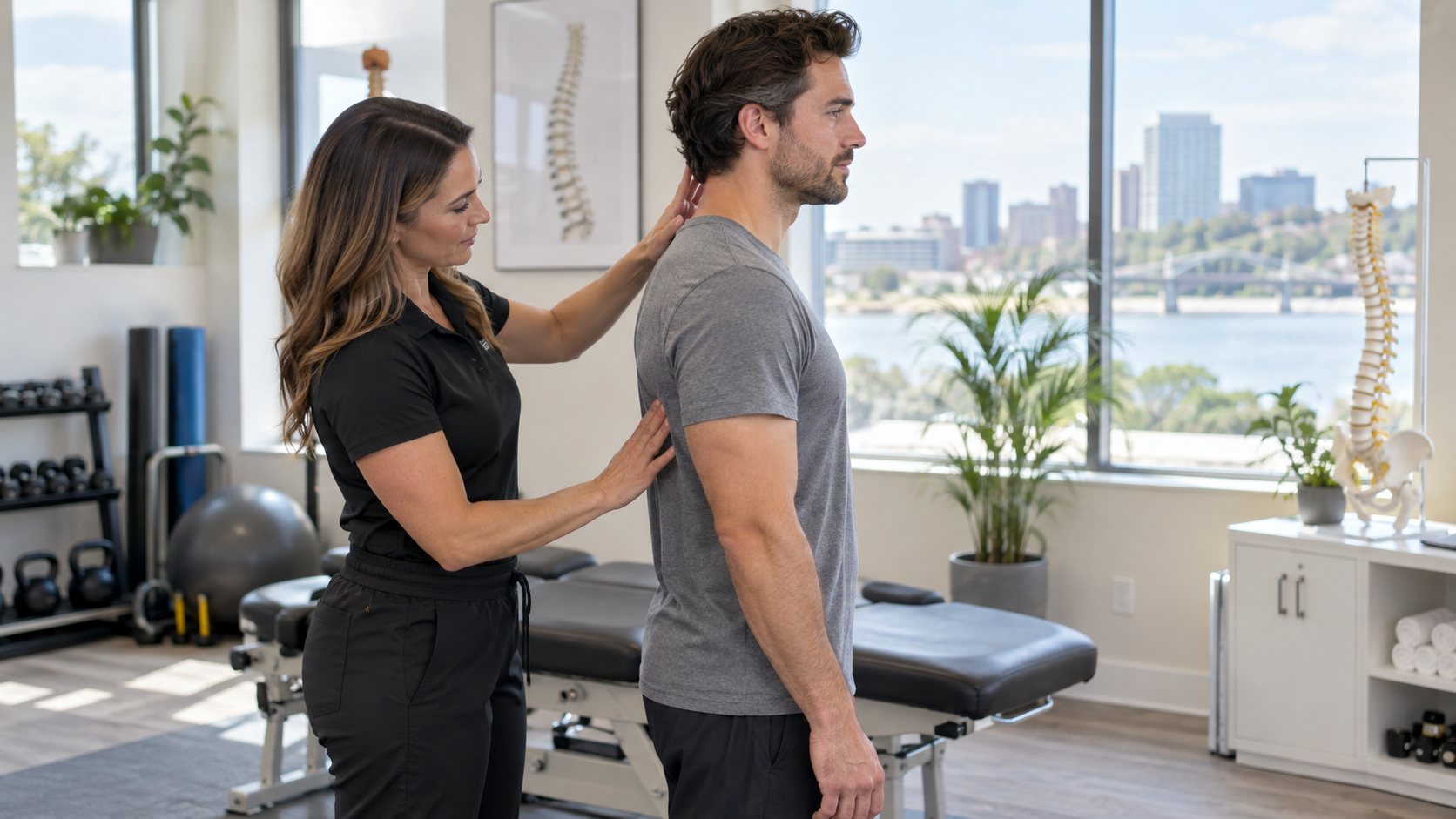
Discover how chiropractic care and assisted stretching can help improve mobility, reduce discomfort, and support better posture. Learn more about personalized treatments designed for your wellness goals.

A car accident can change your life in an instant. Even when a collision does not result in a serious visible injury, the physical and emotional effects can continue long after the accident is over. Many people experience neck pain, back pain, whiplash, headaches, muscle tension, and stiffness after an auto accident. Others may experience emotional reactions such as anxiety, difficulty sleeping, trouble concentrating, fear of driving, or feeling constantly on edge. For some people, a serious accident can contribute to post-traumatic stress disorder (PTSD) . PTSD is a mental health condition that can develop after experiencing or witnessing a traumatic event. Not everyone who experiences a car accident will develop PTSD, but it is important to recognize that recovery from an accident can involve both physical and emotional challenges. At Concord Chiropractic in Trolley Square, Wilmington, Delaware , Dr. James Ferraro understands that recovering from a car accident involves more than simply looking at where a patient hurts. Physical injuries and emotional well-being can influence the overall recovery experience, which is why paying attention to the whole person is important.

Discover how chiropractic care in Wilmington, DE supports overall wellness, improved mobility, posture, and long-term health at Concord Chiropractic in Trolley Square.
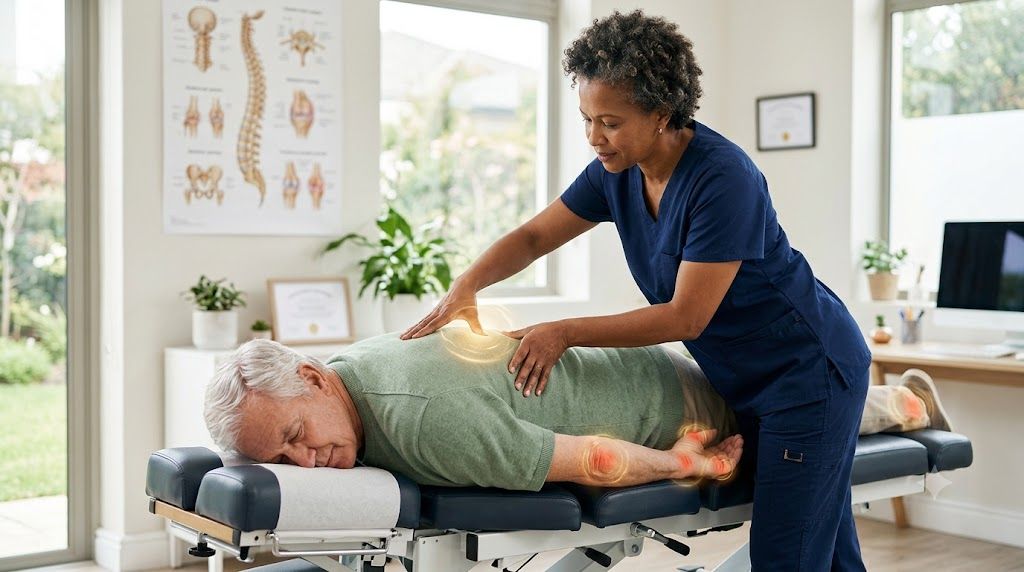
Learn how chiropractic care may help manage arthritis symptoms, improve mobility, and support joint health through personalized treatments and natural pain relief approaches.
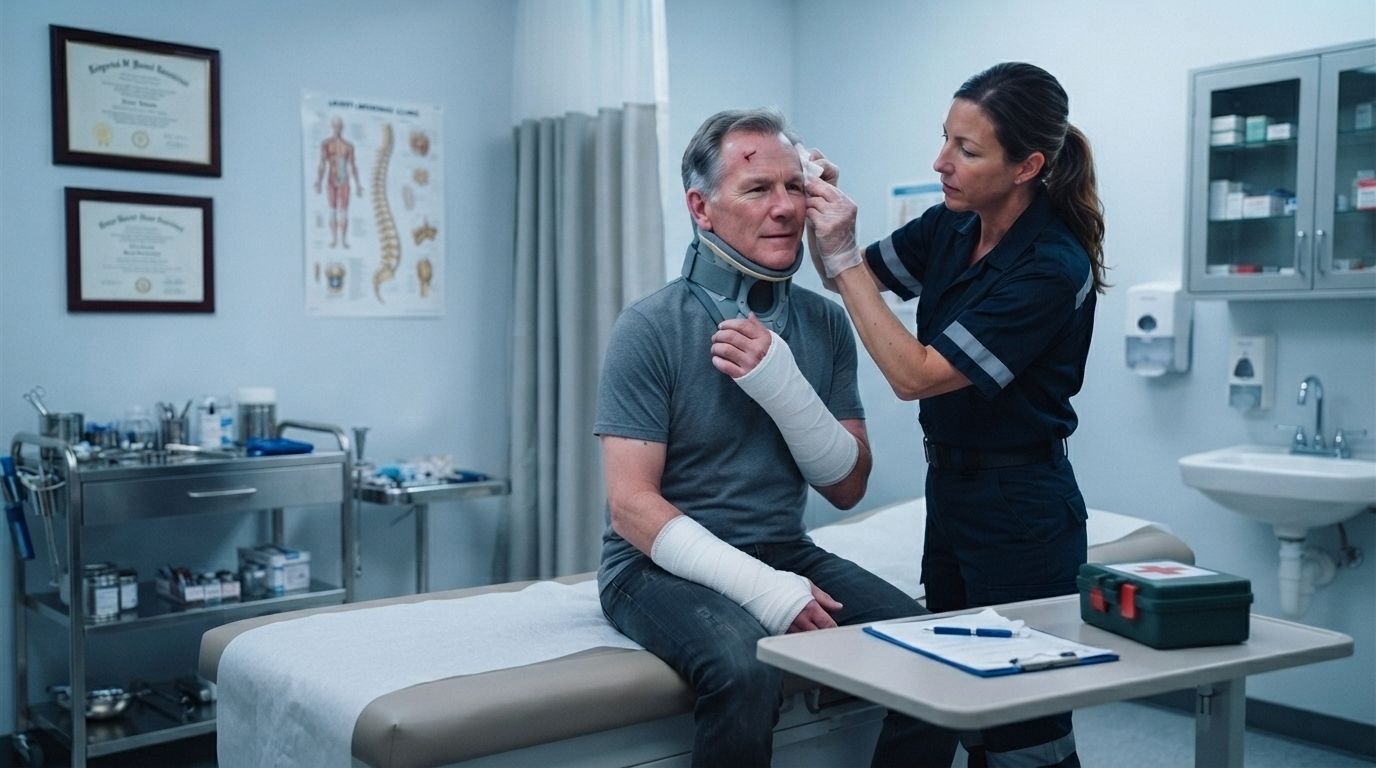
Front-End vs. Rear-End Car Accidents: What's the Difference, and How Can Concord Chiropractic Help?
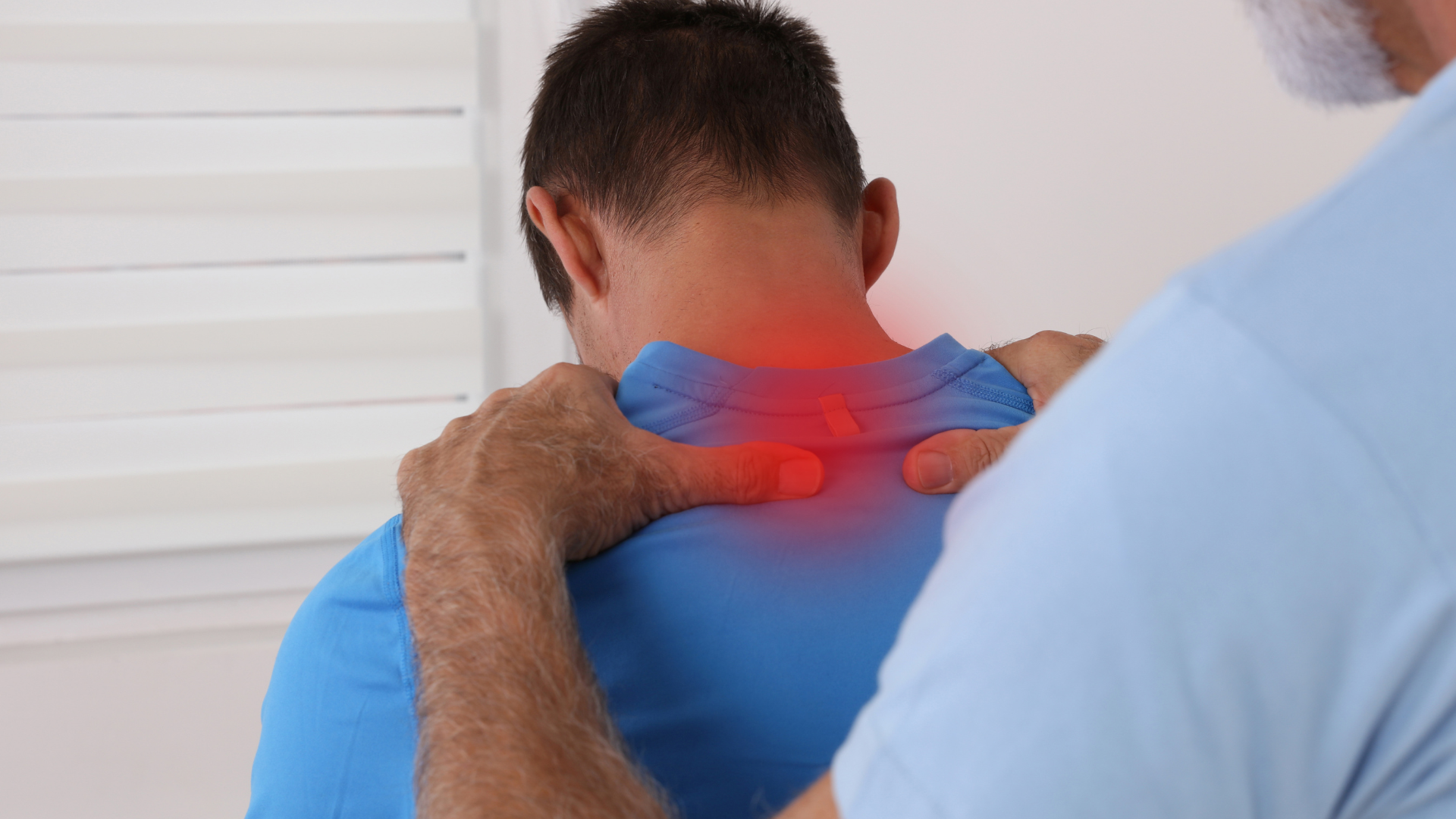
Migraines are complex neurological conditions, and every person's triggers are different. Common migraine triggers include: Muscle tension in the neck and shoulders Poor posture Stress Lack of sleep Dehydration Certain foods and beverages Hormonal changes Previous neck injuries, including whiplash Joint dysfunction in the neck Because many migraine sufferers also experience neck pain or stiffness, addressing problems involving the cervical spine and surrounding muscles may help reduce irritation that contributes to headache symptoms. What Causes Migraines? Migraines are complex neurological conditions, and every person's triggers are different. Common migraine triggers include: Muscle tension in the neck and shoulders Poor posture Stress Lack of sleep Dehydration Certain foods and beverages Hormonal changes Previous neck injuries, including whiplash Joint dysfunction in the neck Because many migraine sufferers also experience neck pain or stiffness, addressing problems involving the cervical spine and surrounding muscles may help reduce irritation that contributes to headache symptoms. How Chiropractic Care Can Help While chiropractic care is not a cure for migraines, it may help reduce the frequency, intensity, and duration of migraine episodes for some patients by improving spinal function and reducing muscle tension. At Concord Chiropractic, treatment may include: Chiropractic Adjustments to improve spinal alignment and restore normal joint motion. Doctor-Prescribed Therapeutic Exercises to strengthen supporting muscles and improve posture. Assisted Stretching to relieve tight muscles and improve flexibility. Soft Tissue Therapy, including Instrument-Assisted Soft Tissue Mobilization (IASTM), to reduce muscle tension and improve tissue mobility. Advanced Therapies such as Cold Laser Therapy, Electrical Stimulation (E-Stim), Shockwave Therapy (when appropriate), Spinal Decompression/Traction, Roller Table Therapy, and HydroMassage to help reduce pain, improve circulation, and promote relaxation. Our goal is to identify factors that may be contributing to your migraines and develop a treatment plan tailored specifically to your needs. Improving Posture and Reducing Tension Many migraines are associated with prolonged sitting, computer work, or poor posture, which can place added stress on the neck and upper back. Chiropractic care, combined with stretching and corrective exercises, can help improve posture, reduce muscle tension, and decrease strain on the cervical spine. We also educate patients on ergonomic improvements, home exercises, and lifestyle modifications that may help reduce migraine triggers.