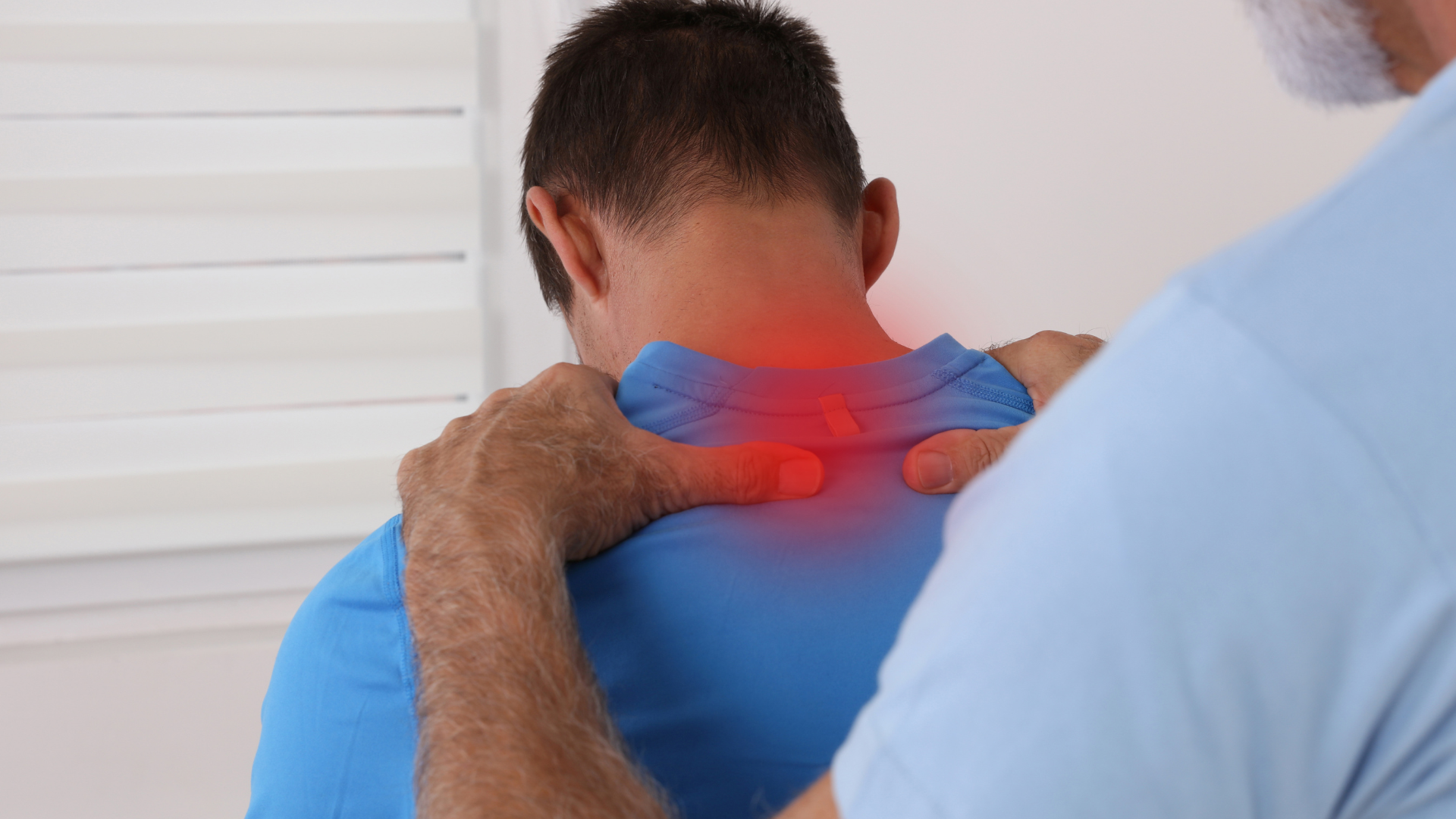
The Connection Between Herniated Discs and Car Accidents How Auto Collisions Can Cause Lasting Spinal Injuries

The Connection Between Herniated Discs and Car Accidents How Auto Collisions Can Cause Lasting Spinal Injuries


Every year, thousands of people walk away from motor vehicle accidents believing they escaped serious injury—only to develop neck pain, back pain, numbness, tingling, or weakness days or even weeks later. In many cases, these symptoms are linked to a herniated disc caused by the trauma of a car accident.


At Concord Chiropractic, located in the heart of Trolley Square, Dr. James Ferraro regularly evaluates patients who have suffered spinal injuries following motor vehicle accidents. Understanding the relationship between herniated discs and car accidents is critical for receiving proper treatment, documentation, and long-term recovery.

What Is a Herniated Disc?

Your spine is made up of vertebrae separated by spinal discs—soft, cushion-like structures that help absorb shock and allow movement. Each disc contains a soft center surrounded by a tougher outer layer. A herniated disc occurs when the inner material pushes through a tear or weakened area in the outer layer.


A herniated disk can press on nearby nerves, causing pain, numbness, tingling, or weakness in the arms or legs depending on where the injury occurs. Herniated discs commonly occur in the neck (cervical spine) or lower back (lumbar spine).


Mayo Clinic +1


How Can a Car Accident Cause a Herniated Disc?
Car accidents create sudden, violent forces that the spine may not be able to absorb safely. Even at relatively low speeds, the rapid acceleration and deceleration of a collision can place tremendous stress on spinal structures.


Rear-end collisions often cause whiplash, where the head is forcefully thrown backward and forward in a rapid motion. This movement can strain soft tissues and place abnormal pressure on spinal discs.


Mayo Clinic +1


When enough force is applied, a spinal disc may:

  • Tear
  • Bulge outward
  • Herniate
  • Compress nearby nerve roots
  • Cause inflammation around the spinal column


At Concord Chiropractic, Dr. James Ferraro often sees patients whose symptoms begin hours, days, or even weeks after an auto accident—making early evaluation especially important.


Common Symptoms of a Herniated Disc After an Auto Accident
Following a collision, symptoms may not appear immediately due to adrenaline and inflammation. Over time, patients may experience:


  • Neck pain
  • Lower back pain
  • Shoulder pain
  • Radiating pain into the arms or legs
  • Numbness or tingling
  • Muscle weakness
  • Sciatica
  • Reduced range of motion
  • Burning or sharp nerve pain


If left untreated, these symptoms can worsen and interfere with work, sleep, exercise, and daily activities.


Dr. James Ferraro at Concord Chiropractic emphasizes that persistent pain after a car accident should never be ignored.


Why Proper Documentation Matters
One of the most important aspects of treating a herniated disc after an accident is timely documentation. Insurance companies often require clear medical evidence connecting spinal injuries to the collision.


At Concord Chiropractic in Wilmington, Dr. James Ferraro performs thorough evaluations, injury documentation, functional assessments, and ongoing progress tracking for auto accident patients.


This documentation may help establish:


  • Causation
  • Functional limitations
  • Pain progression
  • Treatment necessity
  • Long-term prognosis


Treatment for Herniated Discs After a Car Accident

Treatment depends on the severity and location of the injury. At Concord Chiropractic, Dr. James Ferraro may recommend a customized treatment plan that may include:


  • Chiropractic care
  • Therapeutic exercise
  • Assisted stretching
  • Spinal rehabilitation
  • Soft tissue therapy
  • Electrical muscle stimulation
  • Decompression strategies
  • Shockwave therapy when clinically appropriate


Early intervention may help reduce inflammation, restore mobility, and improve recovery outcomes.


Auto Accident Injury Care in Trolley Square, Wilmington, Delaware

If you’ve been involved in a car accident and are experiencing neck pain, back pain, numbness, tingling, or weakness, don’t assume it will simply go away.


Dr. James Ferraro and the team at Concord Chiropractic are proud to serve patients throughout Wilmington and surrounding communities.


Visit us at 20A Trolley Square, Wilmington, DE 19807 for a comprehensive auto accident evaluation and personalized care plan designed to help you recover and protect your long-term spinal health.
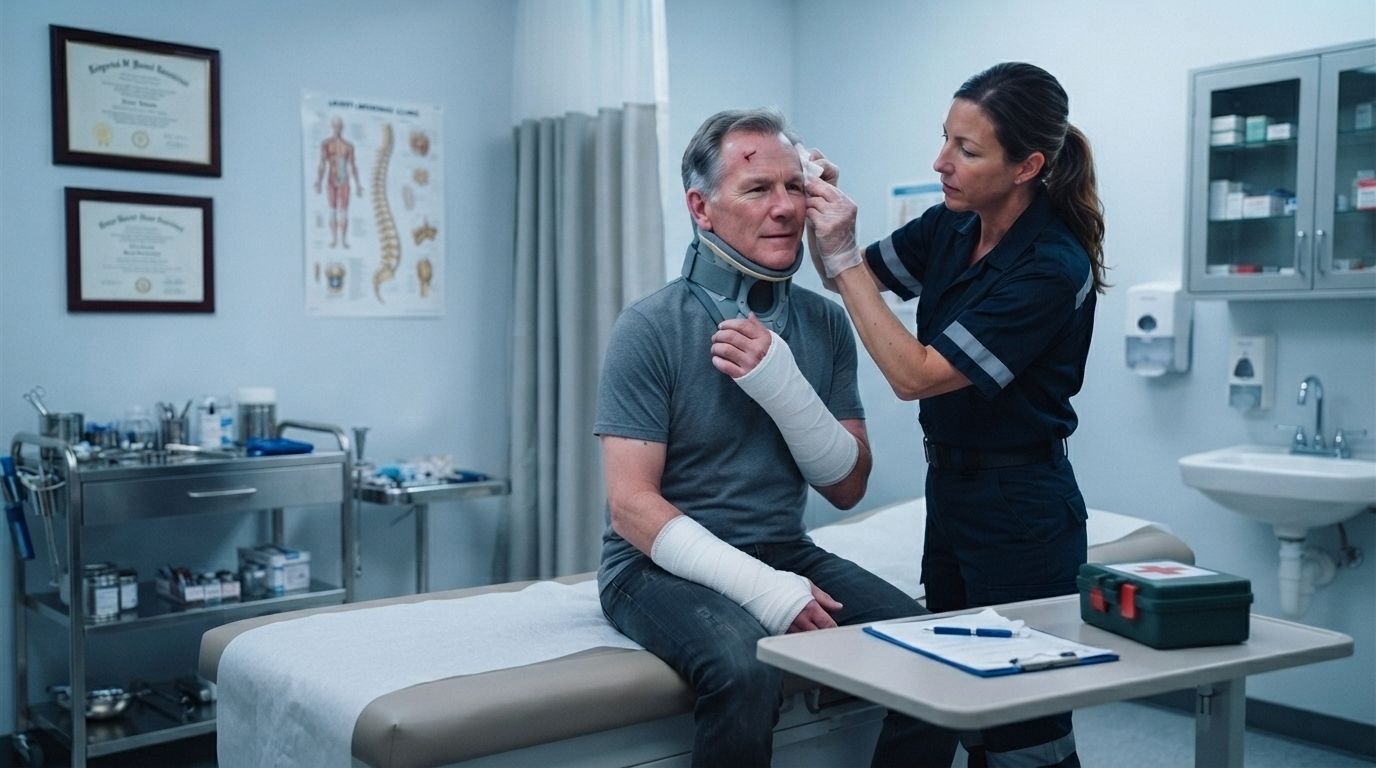
Chiropractor evaluating a patient with a neck brace after a car accident
October 6, 2026
Read expert chiropractic tips on auto accident recovery, back and neck pain, assisted stretching, wellness, and injury care in Wilmington, DE.
Chiropractor evaluating a patient with neck stiffness after an auto accident in Wilmington, DE
October 3, 2026
Read helpful chiropractic articles on auto accident recovery, back and neck pain, assisted stretching, wellness, and chiropractic care in Wilmington, DE.
Patient with neck pain consulting a chiropractor after an auto accident.
September 28, 2026
Read Concord Chiropractic’s blog for expert insights on auto accident injuries, chiropractic care, wellness tips, and recovery guidance in Wilmington, DE.
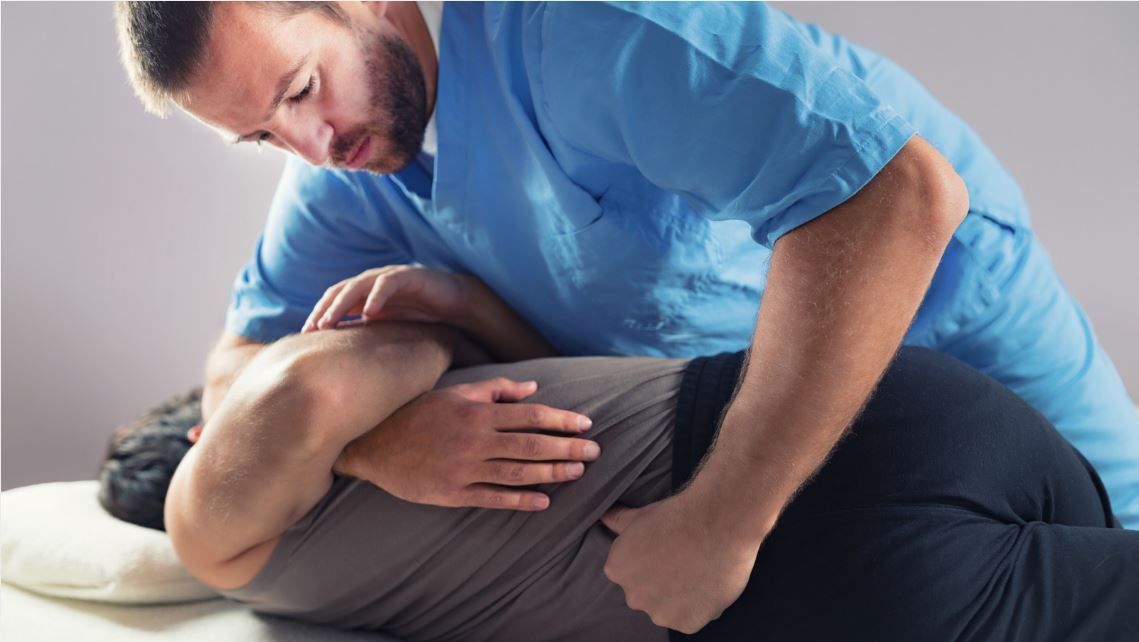
Chiropractor helping patient with spine alignment during a wellness consultation
September 16, 2026
Learn how chiropractic care helps relieve sciatica pain in Wilmington, DE with targeted adjustments, assisted stretching, and personalized treatment.
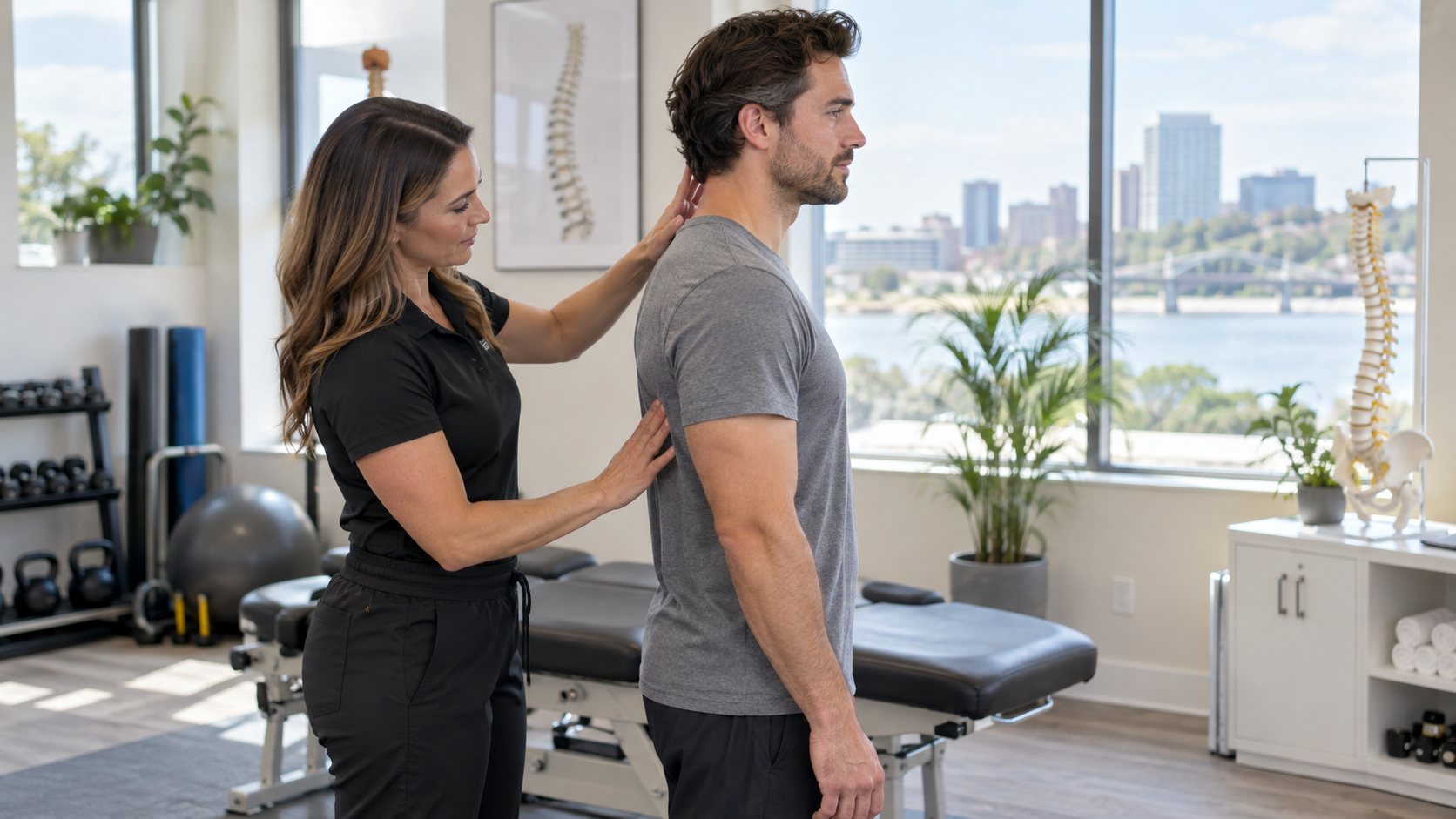
Chiropractor evaluating a patient's posture and spinal alignment in Wilmington, Delaware
September 16, 2026
Discover how chiropractic care and assisted stretching can help improve mobility, reduce discomfort, and support better posture. Learn more about personalized treatments designed for your wellness goals.
August 18, 2026
A car accident can change your life in an instant. Even when a collision does not result in a serious visible injury, the physical and emotional effects can continue long after the accident is over. Many people experience neck pain, back pain, whiplash, headaches, muscle tension, and stiffness after an auto accident. Others may experience emotional reactions such as anxiety, difficulty sleeping, trouble concentrating, fear of driving, or feeling constantly on edge. For some people, a serious accident can contribute to post-traumatic stress disorder (PTSD) . PTSD is a mental health condition that can develop after experiencing or witnessing a traumatic event. Not everyone who experiences a car accident will develop PTSD, but it is important to recognize that recovery from an accident can involve both physical and emotional challenges.  At Concord Chiropractic in Trolley Square, Wilmington, Delaware , Dr. James Ferraro understands that recovering from a car accident involves more than simply looking at where a patient hurts. Physical injuries and emotional well-being can influence the overall recovery experience, which is why paying attention to the whole person is important.
How Chiropractic Care Supports Your Overall Health and Wellness
July 31, 2026
Discover how chiropractic care in Wilmington, DE supports overall wellness, improved mobility, posture, and long-term health at Concord Chiropractic in Trolley Square.
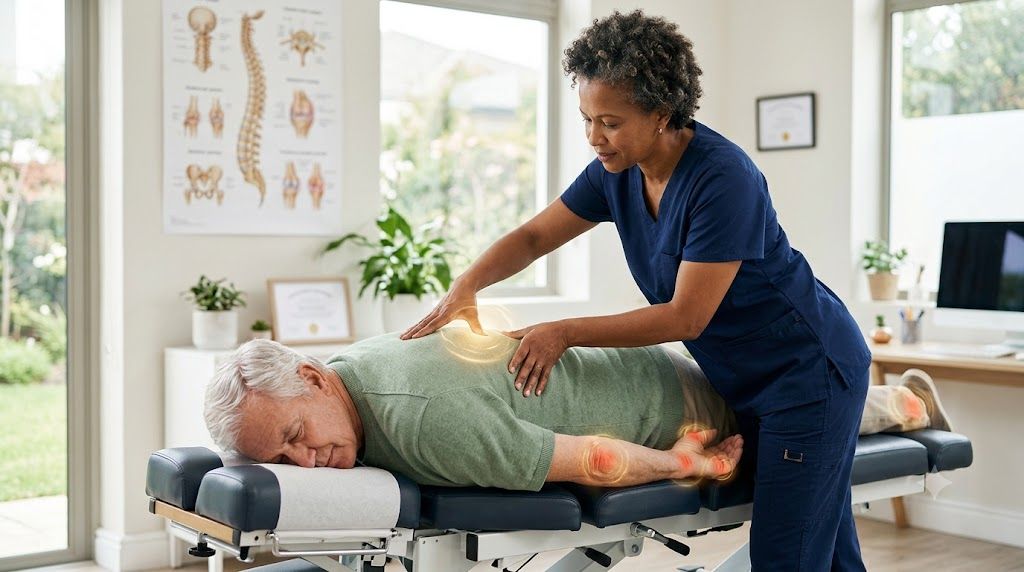
Chiropractor providing spinal adjustment to patient in a modern clinic.
July 14, 2026
Learn how chiropractic care may help manage arthritis symptoms, improve mobility, and support joint health through personalized treatments and natural pain relief approaches.
How Can Concord Chiropractic Help in Car Accidents Patients
July 7, 2026
Front-End vs. Rear-End Car Accidents: What's the Difference, and How Can Concord Chiropractic Help?
July 6, 2026
Migraines are complex neurological conditions, and every person's triggers are different. Common migraine triggers include: Muscle tension in the neck and shoulders Poor posture Stress Lack of sleep Dehydration Certain foods and beverages Hormonal changes Previous neck injuries, including whiplash Joint dysfunction in the neck Because many migraine sufferers also experience neck pain or stiffness, addressing problems involving the cervical spine and surrounding muscles may help reduce irritation that contributes to headache symptoms.  What Causes Migraines? Migraines are complex neurological conditions, and every person's triggers are different. Common migraine triggers include: Muscle tension in the neck and shoulders Poor posture Stress Lack of sleep Dehydration Certain foods and beverages Hormonal changes Previous neck injuries, including whiplash Joint dysfunction in the neck Because many migraine sufferers also experience neck pain or stiffness, addressing problems involving the cervical spine and surrounding muscles may help reduce irritation that contributes to headache symptoms. How Chiropractic Care Can Help While chiropractic care is not a cure for migraines, it may help reduce the frequency, intensity, and duration of migraine episodes for some patients by improving spinal function and reducing muscle tension. At Concord Chiropractic, treatment may include: Chiropractic Adjustments to improve spinal alignment and restore normal joint motion. Doctor-Prescribed Therapeutic Exercises to strengthen supporting muscles and improve posture. Assisted Stretching to relieve tight muscles and improve flexibility. Soft Tissue Therapy, including Instrument-Assisted Soft Tissue Mobilization (IASTM), to reduce muscle tension and improve tissue mobility. Advanced Therapies such as Cold Laser Therapy, Electrical Stimulation (E-Stim), Shockwave Therapy (when appropriate), Spinal Decompression/Traction, Roller Table Therapy, and HydroMassage to help reduce pain, improve circulation, and promote relaxation. Our goal is to identify factors that may be contributing to your migraines and develop a treatment plan tailored specifically to your needs. Improving Posture and Reducing Tension Many migraines are associated with prolonged sitting, computer work, or poor posture, which can place added stress on the neck and upper back. Chiropractic care, combined with stretching and corrective exercises, can help improve posture, reduce muscle tension, and decrease strain on the cervical spine. We also educate patients on ergonomic improvements, home exercises, and lifestyle modifications that may help reduce migraine triggers.