Sciatica Treatment in Wilmington, DE: Causes, Symptoms, and Non-Surgical Relief
Allan Jake Sindac
Sciatica
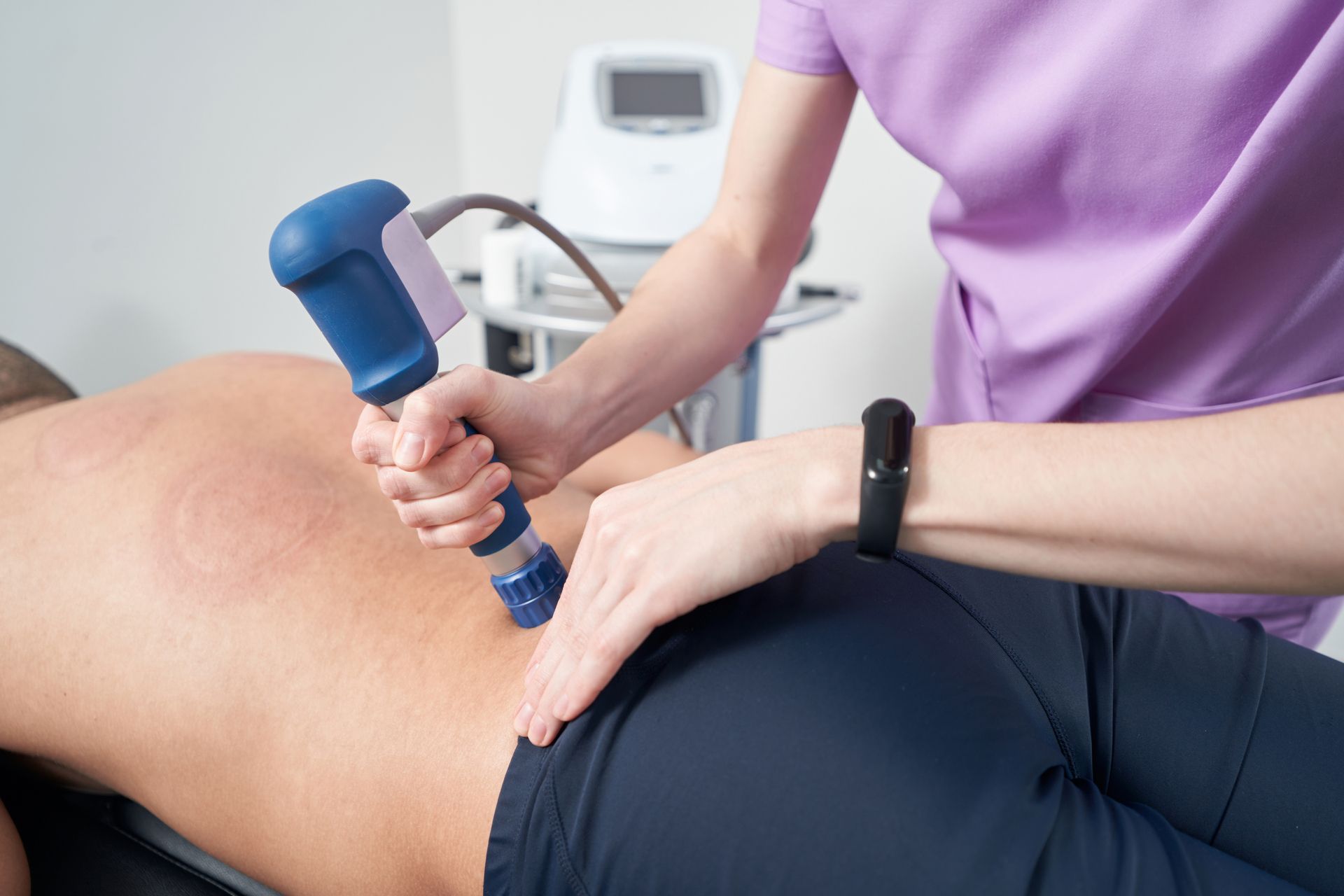
Sciatica is one of the most common causes of lower back and leg pain, affecting millions of people each year. If you've been experiencing pain that starts in your lower back and travels down your leg, you may be dealing with sciatica. Fortunately, there are non-surgical treatment options available that can help reduce pain, improve mobility, and get you back to doing the things you enjoy.
At Concord Chiropractic in Wilmington, Delaware, we help patients find relief from sciatica through chiropractic care, therapeutic exercise, assisted stretching, and other conservative treatment options designed to address the underlying cause of their symptoms.
What Is Sciatica?
Sciatica is a condition that occurs when the sciatic nerve becomes irritated, compressed, or inflamed. The sciatic nerve is the largest nerve in the body, running from the lower back through the hips and buttocks and down each leg.
When this nerve is compressed, it can produce symptoms that extend far beyond the lower back.
Common Symptoms of Sciatica
Sciatica symptoms can vary from person to person, but often include:
- Pain that radiates from the lower back into the buttock and leg
- Burning or shooting pain down the leg
- Tingling or "pins and needles" sensations
- Numbness in the leg or foot
- Muscle weakness in the affected leg
- Increased pain when sitting for extended periods
- Pain that worsens with certain movements
Some individuals experience mild discomfort, while others find that sciatica significantly interferes with work, exercise, sleep, and daily activities.
What Causes Sciatica?
Several conditions can place pressure on the sciatic nerve, including:
Herniated or Bulging Discs
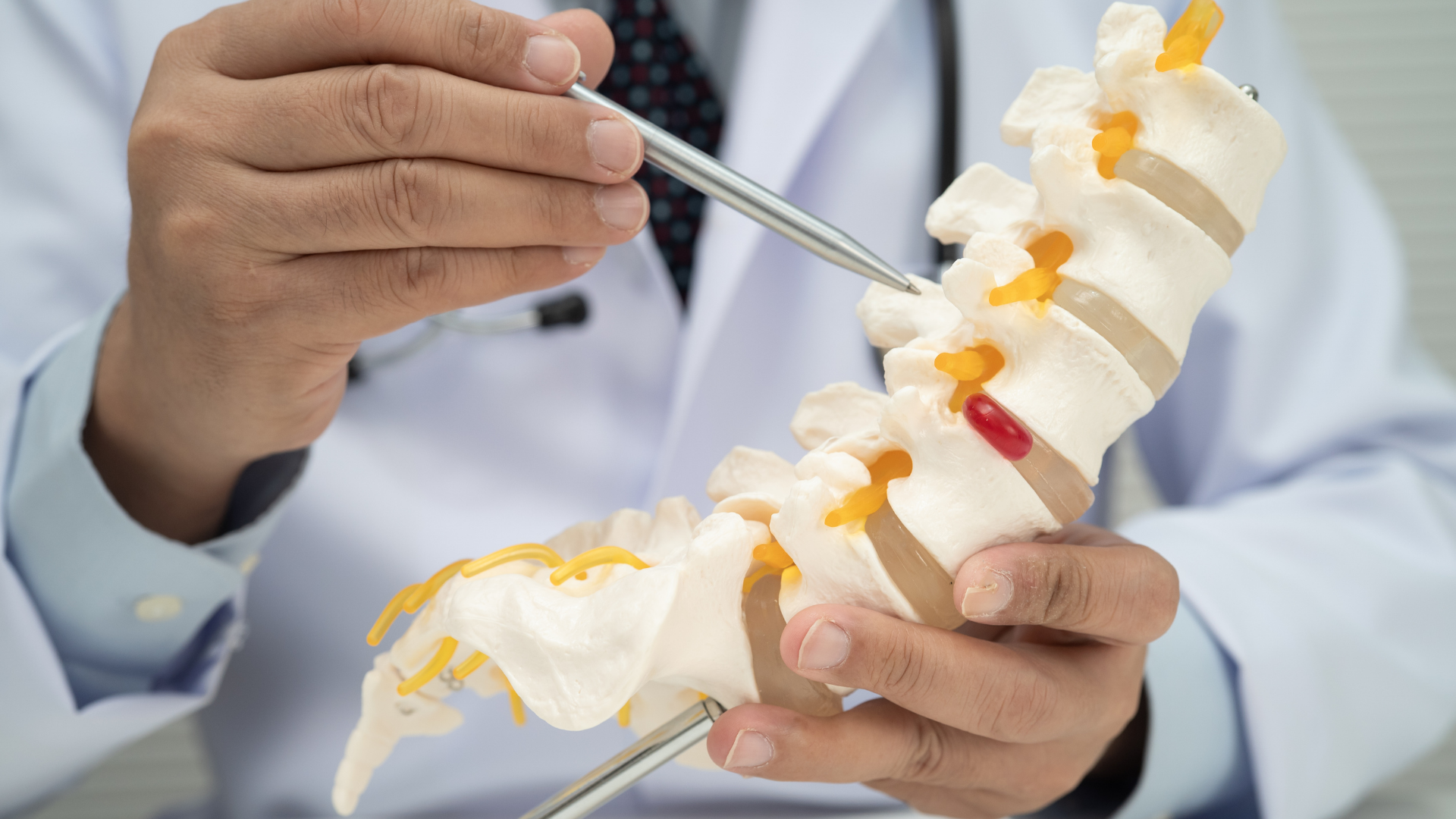
One of the most common causes of sciatica is a herniated disc in the lower spine. When a spinal disc protrudes or ruptures, it can place pressure on nearby nerve roots that contribute to the sciatic nerve.
Spinal Misalignment
Joint dysfunction and spinal misalignments can alter movement patterns and increase stress on surrounding tissues, potentially contributing to nerve irritation.
Muscle Tightness
Tight muscles in the hips and glutes, particularly the piriformis muscle, can sometimes compress the sciatic nerve and create symptoms similar to those caused by spinal issues.
Degenerative Changes
As we age, changes in the spine such as arthritis or narrowing of the spinal canal can contribute to sciatic nerve irritation.
Injury or Repetitive Stress
Auto accidents, sports injuries, heavy lifting, and repetitive movements may increase the risk of developing sciatica.
How Chiropractic Care May Help Sciatica
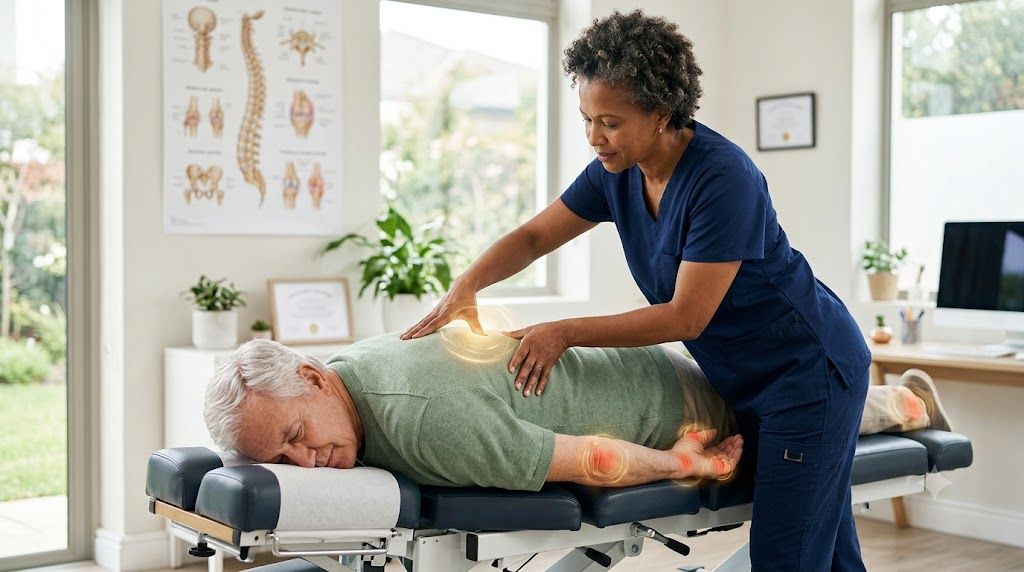
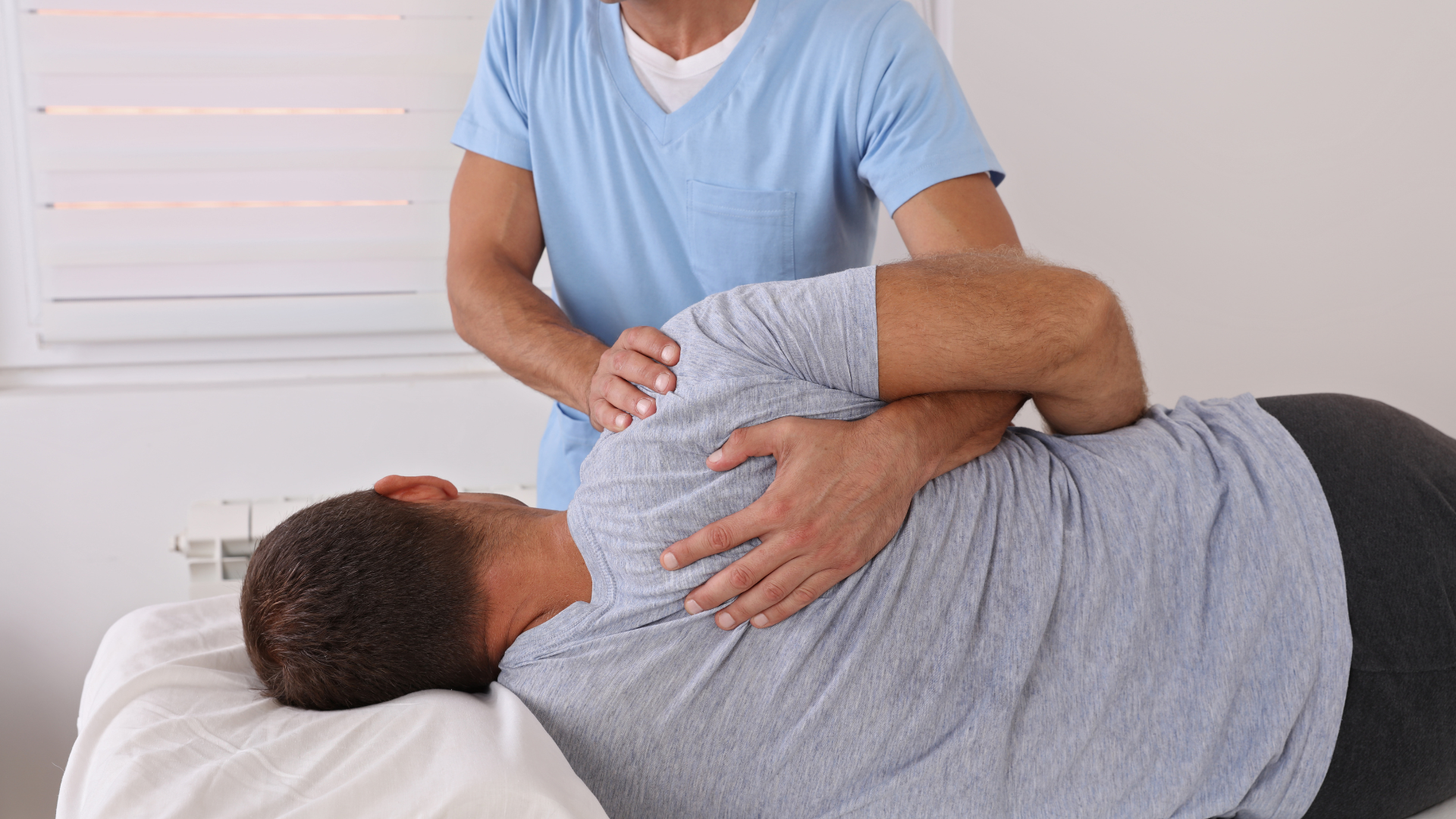
Chiropractic care focuses on improving spinal function, mobility, and overall movement patterns. Depending on the cause of your symptoms, chiropractic adjustments may help restore proper joint motion and reduce stress on irritated tissues.
At Concord Chiropractic, treatment plans are tailored to each individual's condition and goals.
Our approach may include:
- Chiropractic adjustments
- Therapeutic exercises prescribed by the doctor
- Assisted stretching
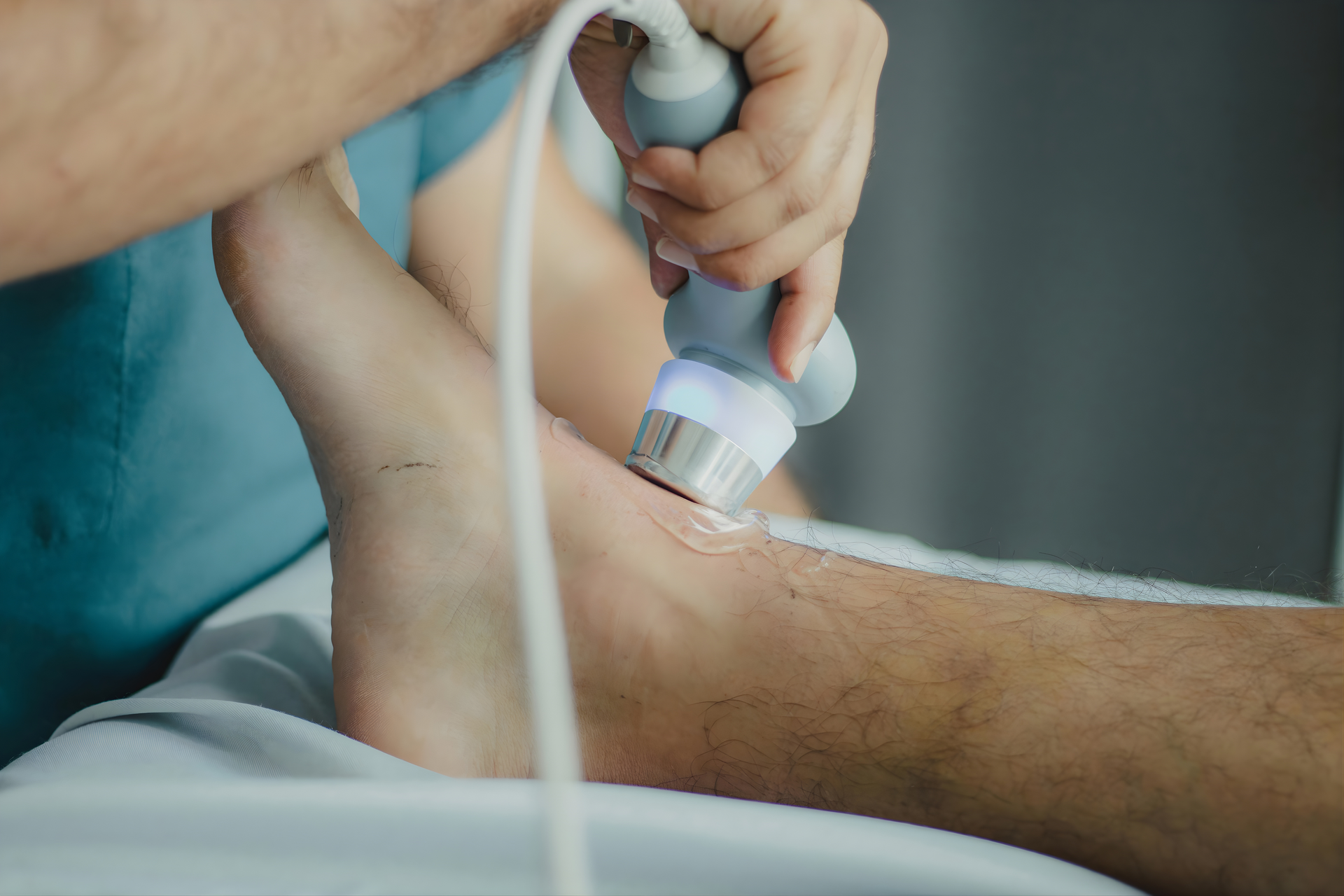
- Soft tissue techniques
- Postural education
- Lifestyle and ergonomic recommendations
The goal is not only to reduce pain but also to improve strength, flexibility, and function to help prevent future flare-ups.
The Importance of Therapeutic Exercise
Pain relief is only one piece of the puzzle.
Many patients with sciatica benefit from targeted therapeutic exercises that help improve core stability, hip mobility, and overall movement quality. Strengthening the muscles that support the spine can reduce stress on the lower back and improve long-term outcomes.
At Concord Chiropractic, patients have access to guided therapeutic exercise programs and support from an on-site Certified Personal Trainer who helps oversee doctor-prescribed exercises and recovery programs.
Assisted Stretching for Sciatica
Tight muscles in the hips, glutes, hamstrings, and lower back can contribute to sciatic nerve irritation.
Assisted stretching may help improve flexibility, reduce muscle tension, and improve overall movement. Many patients find that combining chiropractic care with stretching and exercise provides a more comprehensive approach to recovery.
When Should You Seek Care?
You should consider seeking an evaluation if:
- Leg pain persists for more than a few days
- Symptoms are interfering with daily activities
- Pain is becoming more frequent or severe
- You are experiencing numbness or weakness
- Home remedies are no longer providing relief
Early intervention may help prevent symptoms from becoming more chronic and difficult to manage.
Sciatica Treatment in Wilmington, DE
If you're struggling with lower back pain, leg pain, numbness, or tingling caused by sciatica, the team at Concord Chiropractic is here to help.
Our office provides chiropractic care, therapeutic exercise, assisted stretching, and supportive therapies designed to help patients move better, feel better, and return to the activities they enjoy.
If you're looking for a chiropractor in Wilmington, Delaware for sciatica treatment, contact Concord Chiropractic today to schedule an evaluation and learn more about your treatment options.