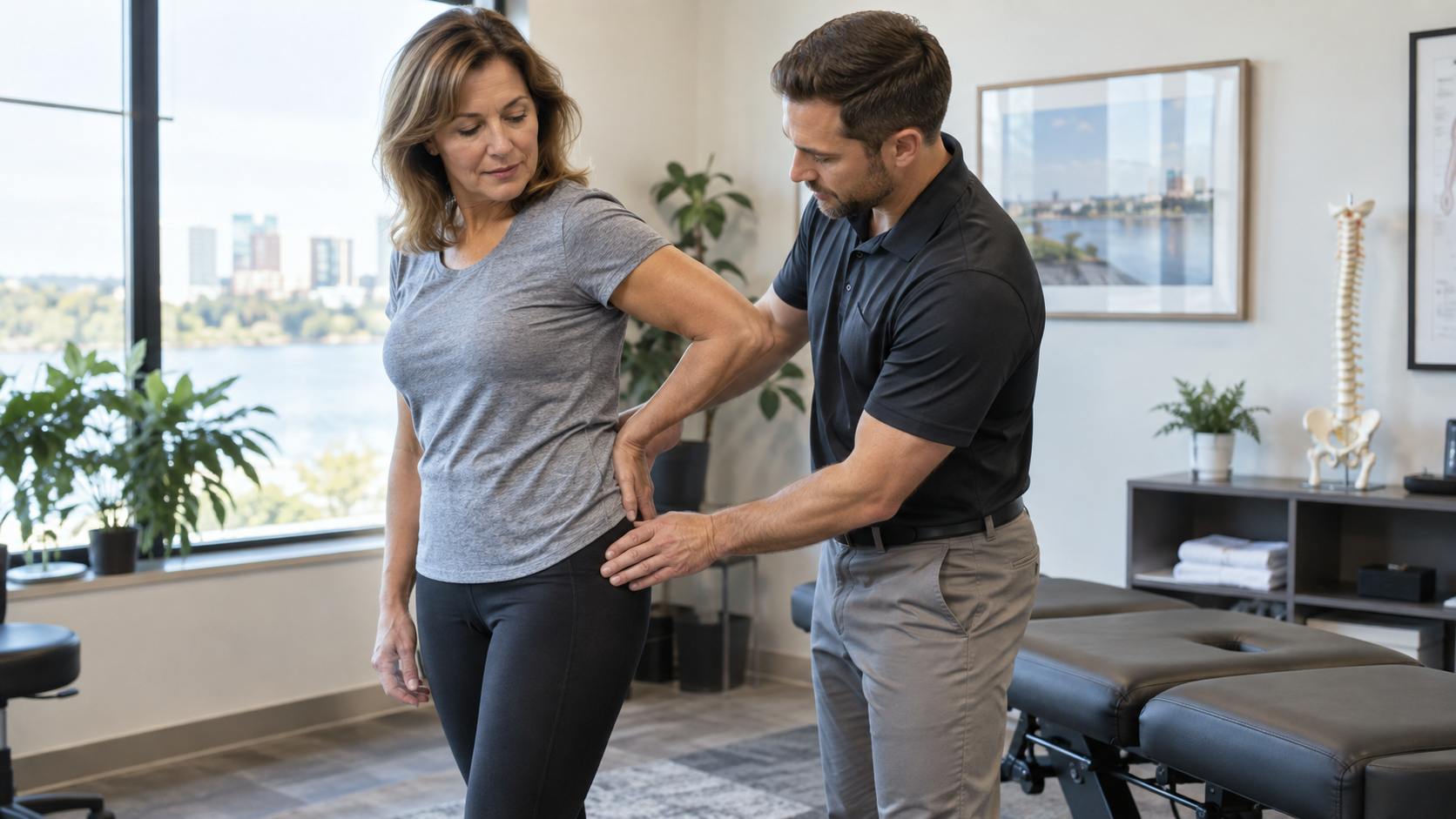
The Benefits of Chiropractic Care for Disc Herniations After Auto Accidents

Dr. James Ferraro

Auto accidents can cause significant trauma to the spine, even at relatively low speeds. One of the most common spinal injuries resulting from a collision is a disc herniation—a condition where the cushioning disc between vertebrae is damaged or displaced, often pressing on nearby nerves. This can lead to pain, numbness, tingling, and weakness in the back, neck, or limbs.

Fortunately, chiropractic care offers a safe, non-invasive, and effective treatment option for managing and healing disc herniations caused by auto accidents.

Understanding Disc Herniation After an Auto Accident

During a collision, the sudden force can cause the spine to whip back and forth, straining the discs that act as shock absorbers between the vertebrae. When these discs are damaged, the inner gel-like material may bulge or rupture outward, irritating spinal nerves and leading to symptoms such as:

  • Sharp or radiating pain in the back, neck, or legs (sciatica)
  • Muscle weakness or numbness
  • Reduced mobility and flexibility
  • Headaches or dizziness (in cervical herniations)

How Chiropractic Care Helps

1. Reduces Pain Naturally

  • Chiropractic adjustments help realign the spine and relieve pressure on the affected discs and nerves. By restoring proper spinal motion, inflammation decreases and nerve irritation is reduced—providing pain relief without the need for prescription drugs or surgery.

2. Promotes Natural Healing

  • Spinal adjustments and therapeutic exercises enhance blood flow and nutrient delivery to the injured area. This promotes tissue repair and supports the body’s natural ability to heal damaged discs and surrounding muscles.

3. Restores Mobility and Function

  • After an auto accident, stiffness and restricted range of motion are common. Chiropractic care, combined with assisted stretching and soft tissue therapy, helps restore flexibility and normal movement so patients can return to daily activities faster.

4. Prevents Long-Term Damage

  • If left untreated, a disc herniation can worsen over time, leading to chronic pain or degenerative disc disease. Chiropractic treatment addresses the root cause early, preventing future complications and improving long-term spinal health.

Complementary Therapies for Optimal Recovery


A comprehensive chiropractic care plan often includes additional therapeutic services, such as:

  • Therapeutic Exercises: Strengthen supporting muscles and stabilize the spine to prevent re-injury.
  • Assisted Stretching: Improves flexibility and relieves muscle tension caused by compensation or guarding after trauma.
  • Electric Stimulation Therapy: Reduces pain and inflammation by stimulating nerves and muscles.
  • Shockwave Therapy (Acoustic Wave Therapy): Breaks down scar tissue, accelerates healing, and improves circulation.
  • Red Light Therapy: Encourages cellular repair and reduces inflammation.
  • Massage Therapy & Hydrotherapy Beds: Promote relaxation, increase blood flow, and reduce muscle tension.

These therapies work hand-in-hand with chiropractic adjustments to provide holistic recovery and lasting results.

When to Seek Chiropractic Care After an Accident

Even if you don’t feel pain immediately after an auto accident, it’s important to have your spine evaluated by a chiropractor. Many disc injuries develop gradually and worsen over time. Early diagnosis and treatment can make all the difference in your recovery.

Common signs that you should seek care include:

  • Neck or back pain
  • Numbness, tingling, or weakness in the arms or legs
  • Headaches or dizziness
  • Difficulty moving or turning your head
  • Pain that worsens when sitting, coughing, or sneezing

Conclusion

If you’ve been in an auto accident and suspect a disc injury, chiropractic care offers a proven path to recovery—focusing on pain relief, healing, and long-term spinal health. With customized treatment plans and complementary therapies, chiropractors help patients regain strength, mobility, and confidence in their bodies—naturally.

August 18, 2026
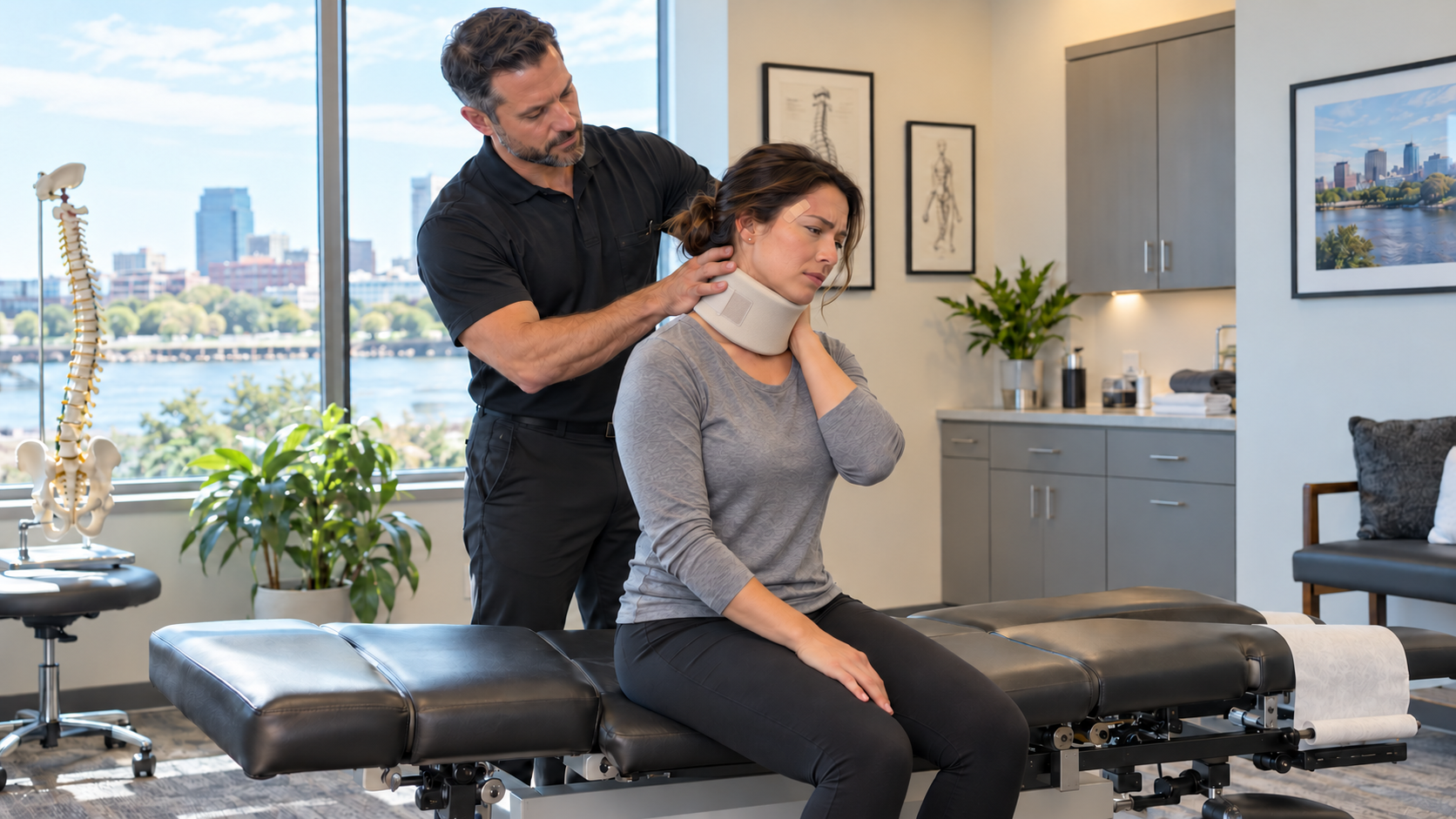
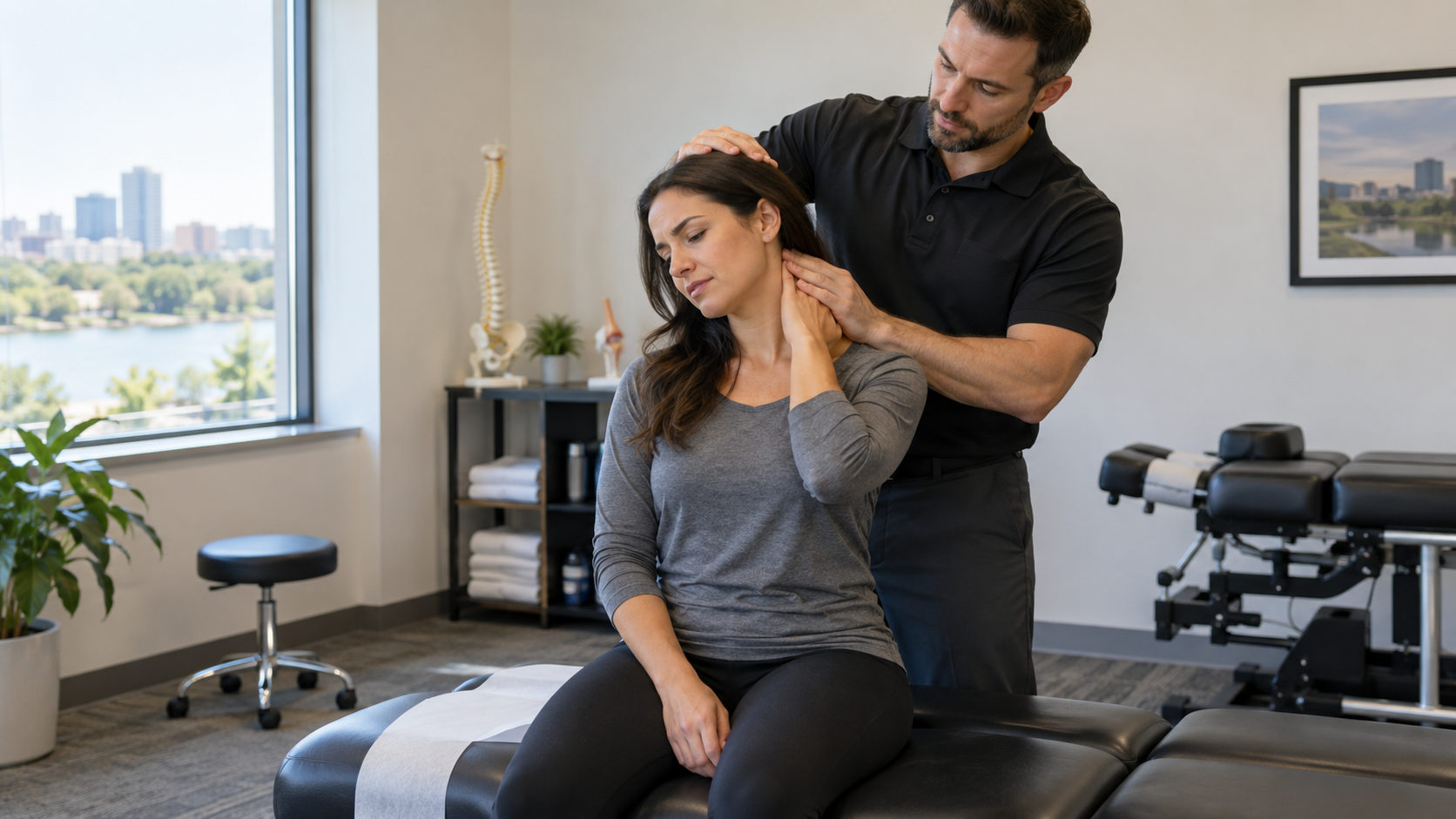
A car accident can change your life in an instant. Even when a collision does not result in a serious visible injury, the physical and emotional effects can continue long after the accident is over. Many people experience neck pain, back pain, whiplash, headaches, muscle tension, and stiffness after an auto accident. Others may experience emotional reactions such as anxiety, difficulty sleeping, trouble concentrating, fear of driving, or feeling constantly on edge. For some people, a serious accident can contribute to post-traumatic stress disorder (PTSD) . PTSD is a mental health condition that can develop after experiencing or witnessing a traumatic event. Not everyone who experiences a car accident will develop PTSD, but it is important to recognize that recovery from an accident can involve both physical and emotional challenges.  At Concord Chiropractic in Trolley Square, Wilmington, Delaware , Dr. James Ferraro understands that recovering from a car accident involves more than simply looking at where a patient hurts. Physical injuries and emotional well-being can influence the overall recovery experience, which is why paying attention to the whole person is important.
How Chiropractic Care Supports Your Overall Health and Wellness
July 31, 2026
Discover how chiropractic care in Wilmington, DE supports overall wellness, improved mobility, posture, and long-term health at Concord Chiropractic in Trolley Square.
Chiropractor providing spinal adjustment to patient in a modern clinic.
July 14, 2026
Learn how chiropractic care may help manage arthritis symptoms, improve mobility, and support joint health through personalized treatments and natural pain relief approaches.
How Can Concord Chiropractic Help in Car Accidents Patients
July 7, 2026
Front-End vs. Rear-End Car Accidents: What's the Difference, and How Can Concord Chiropractic Help?
July 6, 2026
Migraines are complex neurological conditions, and every person's triggers are different. Common migraine triggers include: Muscle tension in the neck and shoulders Poor posture Stress Lack of sleep Dehydration Certain foods and beverages Hormonal changes Previous neck injuries, including whiplash Joint dysfunction in the neck Because many migraine sufferers also experience neck pain or stiffness, addressing problems involving the cervical spine and surrounding muscles may help reduce irritation that contributes to headache symptoms.  What Causes Migraines? Migraines are complex neurological conditions, and every person's triggers are different. Common migraine triggers include: Muscle tension in the neck and shoulders Poor posture Stress Lack of sleep Dehydration Certain foods and beverages Hormonal changes Previous neck injuries, including whiplash Joint dysfunction in the neck Because many migraine sufferers also experience neck pain or stiffness, addressing problems involving the cervical spine and surrounding muscles may help reduce irritation that contributes to headache symptoms. How Chiropractic Care Can Help While chiropractic care is not a cure for migraines, it may help reduce the frequency, intensity, and duration of migraine episodes for some patients by improving spinal function and reducing muscle tension. At Concord Chiropractic, treatment may include: Chiropractic Adjustments to improve spinal alignment and restore normal joint motion. Doctor-Prescribed Therapeutic Exercises to strengthen supporting muscles and improve posture. Assisted Stretching to relieve tight muscles and improve flexibility. Soft Tissue Therapy, including Instrument-Assisted Soft Tissue Mobilization (IASTM), to reduce muscle tension and improve tissue mobility. Advanced Therapies such as Cold Laser Therapy, Electrical Stimulation (E-Stim), Shockwave Therapy (when appropriate), Spinal Decompression/Traction, Roller Table Therapy, and HydroMassage to help reduce pain, improve circulation, and promote relaxation. Our goal is to identify factors that may be contributing to your migraines and develop a treatment plan tailored specifically to your needs. Improving Posture and Reducing Tension Many migraines are associated with prolonged sitting, computer work, or poor posture, which can place added stress on the neck and upper back. Chiropractic care, combined with stretching and corrective exercises, can help improve posture, reduce muscle tension, and decrease strain on the cervical spine. We also educate patients on ergonomic improvements, home exercises, and lifestyle modifications that may help reduce migraine triggers.
June 3, 2026
How Chiropractic Care Can Help After a Slipped Disc Injury
Chiropractic Accident Care
June 2, 2026
Discover how auto accidents can cause delayed pain and symptoms, and learn how Concord Chiropractic helps patients recover with personalized care.
Person stretching with arms overhead against a dark background.
May 18, 2026
Discover how assisted stretching at Concord Chiropractic in Trolley Square helps improve flexibility, posture, recovery, mobility, and overall musculoskeletal health.
May 12, 2026
Can a Car Accident Trigger Fibromyalgia? Understanding the Connection Between Auto Injuries and Chronic Pain Many people involved in a motor vehicle accident expect injuries like whiplash, herniated discs, or muscle strains. What many don’t realize is that the physical and emotional trauma of a collision may also be associated with the development or aggravation of fibromyalgia, a chronic pain condition that can significantly impact daily life. At Concord Chiropractic in Trolley Square, Dr. James Ferraro frequently works with auto accident patients experiencing lingering pain, fatigue, and unexplained symptoms long after their initial injuries appear to have healed. What Is Fibromyalgia? Fibromyalgia is a chronic pain condition associated with widespread musculoskeletal pain, fatigue, sleep disturbances, cognitive difficulties (“fibro fog”), headaches, and increased sensitivity to pain. Researchers believe fibromyalgia involves changes in how the brain and nervous system process pain signals rather than damage to a single muscle, joint, or nerve. Symptoms may include: Widespread body pain Chronic fatigue Poor sleep quality Brain fog or trouble concentrating Headaches Tingling or numbness Increased sensitivity to touch or pressure Anxiety or stress-related flare-ups Can a Car Accident Cause Fibromyalgia? This is an important and sometimes misunderstood question. Research suggests that motor vehicle trauma may act as a trigger for fibromyalgia in some individuals. A review published through the American College of Rheumatology found that motor vehicle collisions appear capable of triggering fibromyalgia—not necessarily through direct structural injury, but by acting as a major physical and neurological stressor in susceptible individuals. In other words, the accident itself may not “create” fibromyalgia like a broken bone creates a fracture. Instead, the combination of: Physical trauma Whiplash injuries Soft tissue damage Nervous system stress Emotional trauma Sleep disruption Ongoing pain signals …may contribute to changes in how the central nervous system processes pain. Why Symptoms May Not Show Up Right Away One of the biggest challenges with fibromyalgia after an accident is that symptoms may not appear immediately. Many patients initially seek treatment for: Neck pain Back pain Whiplash Herniated discs Shoulder pain Muscle spasms Then weeks or months later, they begin experiencing: Pain throughout the entire body Extreme fatigue Poor recovery Difficulty focusing Heightened pain sensitivity At Concord Chiropractic, Dr. James Ferraro educates patients that delayed symptoms after a car accident should never be ignored. Can a Car Accident Make Pre-Existing Fibromyalgia Worse? Absolutely. Even if someone had mild or previously managed fibromyalgia, the physical and emotional stress of an accident may trigger flare-ups, worsen fatigue, increase pain sensitivity, and make symptoms much more difficult to control. This is why early evaluation and proper documentation are critical. Dr. James Ferraro emphasizes comprehensive documentation for auto accident patients—not only for immediate injuries like herniated discs or whiplash, but also for chronic pain conditions that may emerge later. ​ Why Documentation Matters After an Auto Accident Because fibromyalgia symptoms can develop gradually, detailed medical records become incredibly important. At Concord Chiropractic, Dr. James Ferraro carefully documents: Initial injury findings Range of motion limitations Neurological changes Pain progression Functional limitations Response to treatment This helps create a clear timeline between the accident and symptom development. Auto Accident Care in Trolley Square, Wilmington, Delaware If you’ve been in a car accident and are experiencing persistent pain, fatigue, brain fog, or widespread discomfort, don’t assume it’s “just stress.” Dr. James Ferraro and the team at Concord Chiropractic proudly serve patients throughout Wilmington and surrounding communities. Early evaluation may help identify hidden injuries, document developing symptoms, and support your long-term recovery after an accident.